
Custom TMS development
We build intelligent, multilingual transportation management systems that connect carriers, customers, and warehouses - automating dispatch, tracking, and freight accounting to streamline your entire logistics workflow.
Based on last 100+ reviews


Custom TMS capabilities for your logistics:

Managing transport manually wastes time and resources
Manual planning, repetitive admin tasks, and unscalable workflows create bottlenecks across your logistics operations.
The more you grow, the more chaotic and error-prone it becomes.
- Smart dispatching - Assign drivers and vehicles automatically based on availability and location
- Route optimization - Reduce fuel costs and delivery delays with AI-powered routing
- Automated workflows - Eliminate repetitive tasks like manual order entry or billing
- Custom load planning - Automatically build shipments based on volume, weight, or priority
- Scalable processes - Add new routes, drivers, or partners without changing core workflows
Managing freight forwarding workflows:
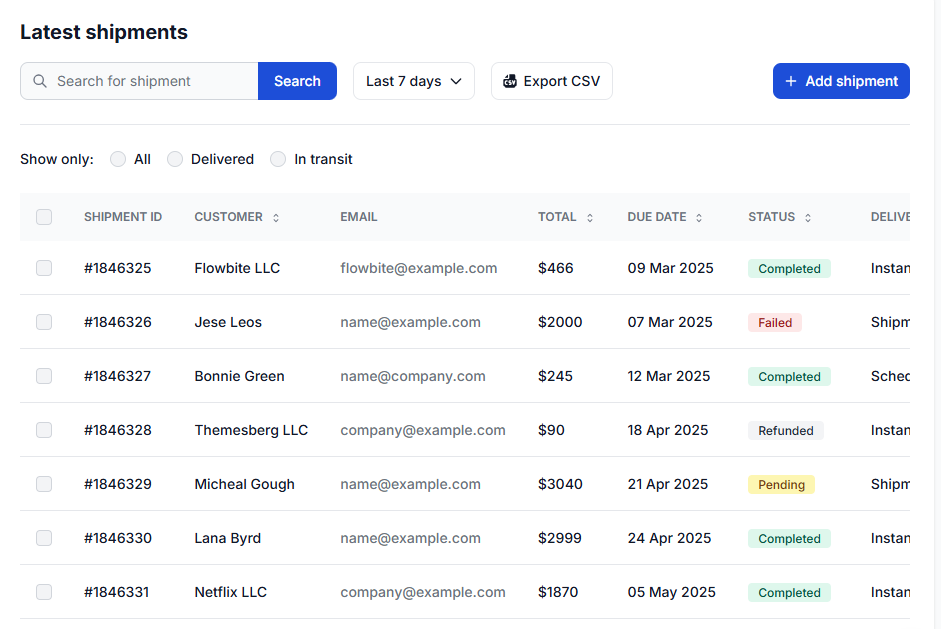
No real-time updates leads to poor decisions and constant follow-ups
Without live data, tracking shipments and monitoring fleet performance means calling drivers, checking spreadsheets, or reacting too late.
- Live shipment tracking - Monitor all active deliveries with GPS-based updates
- Driver status sync - Know when drivers start, pause, or complete deliveries
- Performance alerts - Get notified of delays, route issues, or unexpected stops
- Customer updates - Automatically send delivery status to clients or recipients
- Delivery history - Access a full log of completed trips, with documents and timestamps
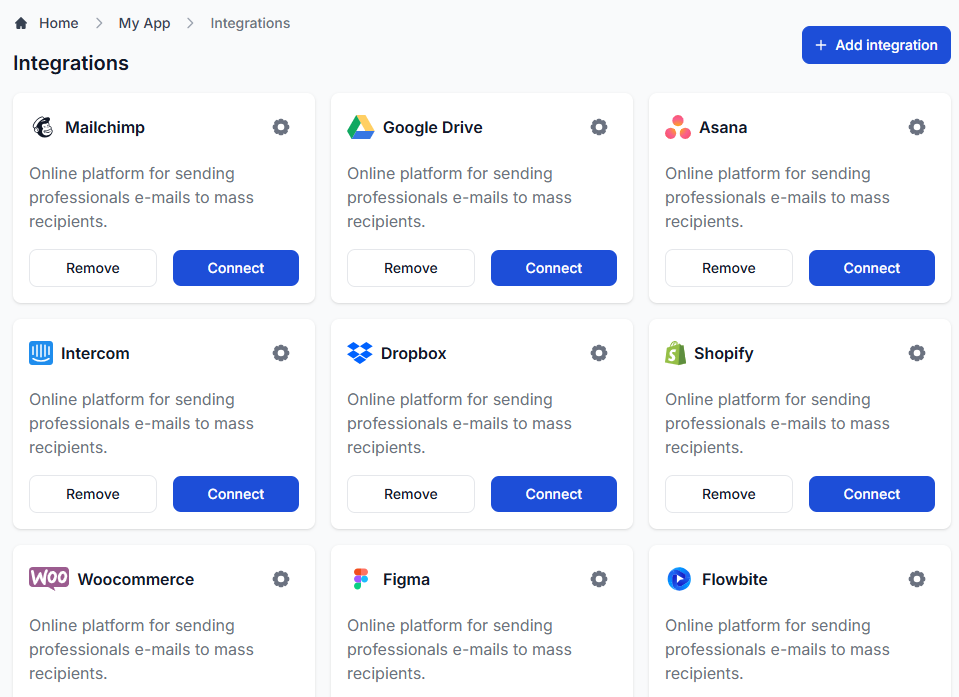
Disconnected systems create gaps, delays, and extra work
When logistics tools do not connect with your ERP, CRM, or accounting systems, you spend hours synchronizing data, fixing errors, and managing isolated processes. Explore our ERP system capabilities.
- ERP and CRM integration - automatically synchronize orders, invoices, and customer data
- Accounting synchronization - export costs and invoices directly to your finance system
- API access - connect GPS tools, warehouses, or third-party carriers
- Unified dashboard - manage dispatches, orders, and performance in one place
- Document automation - automatically generate delivery notes, invoices, and proof of delivery
Cloud-based transportation management:
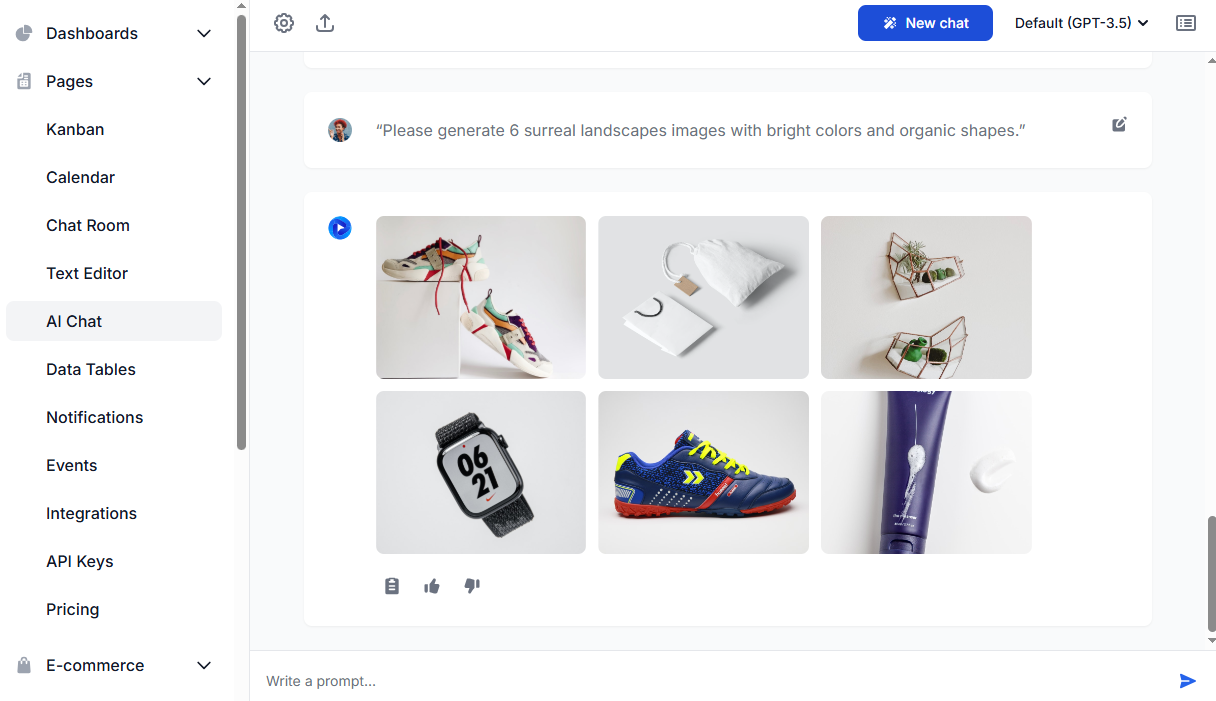
How AI can extend your TMS
Some logistics tasks were too complex or manual to automate - until now.
With AI, your TMS can handle exceptions, documents, and questions with minimal setup.
- Smart assistant - Answer customer or driver questions instantly
- Doc parsing - Extract key data from PDFs, emails, and scans
- Issue resolver - Detect and suggest fixes for delivery problems
- Auto reports - Generate daily summaries in plain language
- AI chat replies - Handle common queries with smart auto-replies
How much does a TMS cost?
Standard TMS
-
Support
- Initial implementation support
- Basic documentation and training
- 6 months of post-launch support
-
Functionality
- Driver and fleet management
- Basic dispatching and routing
- Order tracking dashboard
- Manual document uploads
-
Integrations
- CSV/XLS data import
- Basic ERP synchronization
-
Extended warranty
-
About €750 per month - includes VPS hosting, priority support, and fixes for critical and logic errors (e.g. broken workflows, miscalculations, and system crashes).
-
Advanced TMS
-
Support
- Onboarding and training sessions
- 6 months of support + extended support option
-
Functionality
- Smart route optimization
- Role-based access and permissions
- Automated invoicing and POD
- Real-time delivery information
-
Integrations
- ERP and CRM systems
- GPS and telematics
- Accounting platforms
-
Extended warranty
-
About €1000 per month - includes VPS hosting, priority support, fixes for critical, logic, and core system errors, and resolution of form functionality and layout issues.
-
AI-powered TMS
-
Support
- Onboarding and training sessions
- 6 months of support + extended support option
-
Functionality
- AI assistant for customer questions
- Automatically generated reports and summaries
- Dynamic issue resolution
- Multi-language and multi-currency support
-
Integrations
- Logistics APIs and real-time supplier data feeds
- Document OCR and AI services
- Custom analytics tools
-
Extended warranty
-
About €1500 per month - full coverage including VPS hosting, priority support, resolution of all critical, logic, core system, form, and layout issues, as well as supplier/API replacement if external integrations become unstable or outdated.
-
Shall we make a prototype?
With the most advanced AI solutions we build a clickable, interactive prototype of your system in one working day. With realistic test data, ready for presentations and further system design.
- Clickable main screens, made by AI
- A link to share with your team
- The scope of the first version
- A fixed price for the development
No obligation: you pay only for the prototype.
What can I automate with a TMS?
AI and automation
Orders and finance
Partners and fleet
Administration and insights
Core logistics functions
Timely development within a fixed price:
Before development begins, we provide a clear proposal with final costs and delivery terms. Next, we prepare a detailed specification or technical description, defining the structure and functionality. We document it and approve it with you.
You receive a fully functional website with a complete dashboard, and after full payment, the source code belongs to you with no vendor lock-in. We deliver by the agreed deadline - if it is exceeded, you receive the compensation specified in the contract.
Fast launch
Price and terms
Implementation
Contract and payments
Answers to common questions:
Choosing a solution and working together
In a logistics company, a transportation management system, or TMS, helps plan transport, organize dispatches, and track deliveries. It brings order, driver, and vehicle data together in one place.
Custom transportation system development prices are shown in the pricing packages on this page. The packages show how costs grow with functionality, but you do not have to choose one. Describe your needs and budget, and we will propose a suitable scope of work.
A warehouse management system organizes the receipt, storage, and picking of goods. A transportation management system, by contrast, focuses on transport planning, dispatching, and delivery tracking.
A delivery management system organizes shipment delivery and tracks its status. It may include delivery slot booking, recipient notifications, and proof-of-delivery collection.
A freight management system organizes the transport of goods from order receipt to completed delivery. It connects load planning, carrier and vehicle assignment, and transport cost calculation.
Logistics software development based on business needs includes mapping workflows, creating the required functionality, and connecting existing systems. The solution may include order management, dispatching, tracking, invoicing, and reporting.
We use a quota system. Each milestone provides a certain number of quotas that can be used for free project changes.
This provides flexibility without extra costs. You can request changes immediately after completing a milestone.
We sign the contract electronically, and you pay for each stage directly to us using an advance invoice.
The project is divided into milestones with agreed payment and delivery terms. Payments may be 20%, 50%, or 100% of the total budget. If the agreed deadline is exceeded, you receive the compensation specified in the contract.
That is not a problem. Before development begins, we prepare a technical specification based on your project idea.
During the warranty period, we fix all defects or issues caused by our development free of charge.
We also offer an extended warranty through a paid quarterly subscription that includes hosting. The price is agreed on a project-by-project basis.
We offer ongoing support packages tailored to your needs, including maintenance, updates, and feature improvements.
Our team ensures that your portal stays up to date and continues to meet your business requirements.
Development questions
In everyday operations, the system brings orders, dispatches, and delivery information together on one dashboard. You can assign drivers and vehicles, track shipments, and automate notifications and invoicing.
During planning, the system helps optimize transport routes by considering driver and vehicle availability, location, and shipment requirements. Smart routing helps reduce fuel consumption, waiting time, and delivery delays.
In a logistics company, fleet management includes vehicle data, inspection logs, availability, and fuel consumption tracking. You can also manage driver assignments and track their location and work status.
During planning, the system helps optimize freight transport by building loads based on volume, weight, or priority. Automated dispatching and real-time tracking reduce manual work and enable faster responses to delivery issues.
Yes, AI features such as route optimization, predicted arrival times, and automated reporting can be integrated according to your operational needs and data availability.
We can assess your current systems and create a data migration strategy to ensure a smooth transition to a new TMS.
We perform comprehensive data mapping and validation to ensure accurate and secure migration from existing systems to the new TMS.
Absolutely. The TMS is designed to grow with your operations and support more users, routes, and data.
Yes, we customize the TMS to your unique business processes so that it fits seamlessly into your operations.
We apply strong security measures, including encryption and access controls, to protect your data in the TMS.
Yes, we can connect the TMS to your current ERP, CRM, or other systems to ensure smooth data flow between platforms.
We provide comprehensive training and documentation so your team understands the new system and can use it effectively.
Customer testimonials:
Cryptocurrency company (anonymous)
Cryptocurrency exchange

Latvia
The client emphasized that the platform was vital to their operations and that they couldn’t function without it.
They appreciated 2410’s responsiveness, adaptability, and ability to deliver complex functionality - including fee logic, API integrations, and automation.
Communication was clear and proactive. The project evolved into a trusted long-term collaboration, with future expansions already discussed and initiated.
Riga Plaza
Shopping center
Latvia
Thank you!! Everything looks really great. You are incredibly fast! Huge thanks! Perfect! The client approved it. Please send the files.

Eliard SIA
Real estate
Latvia
Eliard praised the collaboration with 2410 for its adaptability, solution-oriented communication, and high-quality execution.
The project had complex requirements and tight deadlines, yet was handled efficiently. Additional feature requests were considered promptly, showing 2410’s flexibility and reliability in delivering tailored real estate platforms.

